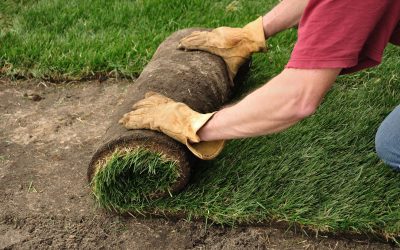
Seam placement affects how continuous and uniform a wide artificial turf area appears because multiple rolls may be required to cover the full space. Planning seams around turf direction, viewing angles, roll dimensions, traffic patterns, and fixed features can make the connections less noticeable.
Wide yards require more than accurate square-footage measurements. Installers must determine how separate sections will fit together before any material is cut, while also considering borders, drainage, and nearby hardscape surfaces.
Why Do Wide Turf Areas Require Seams?
Artificial turf is manufactured in rolls with set dimensions. When an installation area is wider than a single roll, two or more pieces must be joined to cover the space.
The number of seams depends on the shape and measurements of the area, the selected product, and the available roll dimensions. A broad rectangular yard may require long parallel connections, while an irregular area may need a different arrangement.
Seams are a normal part of many turf installation projects. Their appearance depends largely on planning, cutting accuracy, fiber direction, base consistency, and how the adjoining pieces are secured.
How Does Turf Direction Influence a Seam?
Artificial turf fibers lean in a particular direction, sometimes called the grain. That direction influences how light reflects from the surface and how the color appears from different viewpoints.
Sections placed with their fibers facing different directions can look like different shades, even when they come from the same turf product. The contrast may be especially noticeable across a long seam.
Before cutting begins, installers generally position adjoining sections so the fibers face consistently. They also consider the main viewing point, such as a patio, window, entrance, or seating area.
Where Should Seams Be Positioned?
Seams should be planned in relation to the full layout rather than placed wherever two rolls happen to meet. The installer evaluates the area’s dimensions, intended use, primary views, and existing features before determining the roll arrangement.
When possible, a seam may be positioned away from the most prominent viewing angle. However, appearance is only one consideration. The chosen location must also support stable installation and efficient material use.
Can Foot Traffic Affect Seam Planning?
Repeated activity can influence where seams are placed. Routes between doors, gates, patios, pools, and seating areas often receive more foot traffic than the outer portions of a yard.
A well-prepared seam is designed to remain secure, but the installation plan should still consider how the area will be used. Placing a connection directly beneath a frequently moved gate, heavy rolling equipment, or another concentrated activity point may be avoidable.
Why Does Base Preparation Matter Beneath Seams?
Both turf sections must meet over a stable and consistently prepared base. If one side settles differently, the connection may become easier to notice.
Low spots can also affect drainage and create surface irregularities near the seam. For that reason, excavation, grading, base placement, and compaction should be completed across the entire area rather than treating seam locations as separate strips.
The connection method depends on the turf system and project conditions. The two edges must be aligned without overlapping or leaving an excessive gap. Fibers should remain above the joining area instead of becoming trapped beneath it.
How Do Accurate Cuts Improve the Finished Appearance?
Turf edges must be cut cleanly so adjoining sections meet consistently. Uneven cuts can produce gaps, overlaps, or changes in fiber spacing.
Installers typically leave enough material for positioning before making final cuts. Removing too much turf too early can limit the ability to adjust the seam.
Can Borders Change the Seam Layout?
Paver edges, concrete curbing, gravel borders, walls, and other hardscape features define the shape of a turf area. They can also influence where rolls begin and end.
A slightly angled border may require more trimming than a straight edge. If several borders are not parallel, the turf layout must account for changes in width across the area.
TURFD provides information about Artificial grass installation for Arizona properties. They consider site measurements, turf direction, base preparation, drainage, seams, and surrounding materials during installation planning.
Does Product Consistency Matter?
Using turf from a coordinated material supply helps support consistent color, texture, and fiber construction across a wide area. Even so, every section must still be oriented correctly.
Installers should inspect the material before placement and identify any differences that could affect the layout. Roll labels and direction markings can help prevent a section from being rotated incorrectly.
What Should Property Owners Discuss Before Installation?
Property owners should explain where they normally view and use the area. A backyard seen mainly from a covered patio may require a different orientation than a commercial common area approached from several directions.
Useful considerations include:
- The primary viewing angle
- Normal walking routes
- Furniture and activity areas
- Gates and access points
- Paver or concrete borders
- Utility covers and drains
- The area’s widest measurements
- Future additions that could affect the layout
These details give the installer more context than dimensions alone.
Plan Wide Turf Areas Before Cutting Begins
Seams are often necessary in wide artificial turf areas, but their placement should never be improvised after the rolls arrive. Fiber direction, viewing angles, cutting accuracy, base consistency, traffic, and surrounding hardscape features all influence the completed appearance.
Before beginning a project in Peoria, measure the entire area and identify its main viewing and activity zones. Contact a qualified turf installer to develop a roll and seam plan suited to the property’s dimensions and intended use.