Essentially:
- Routine septic maintenance costs a fraction of what emergency repairs or full system replacement runs.
- Commerce, GA homeowners can protect their property value and avoid system failures by following a consistent service schedule.
- Professional pumping, inspections, drain cleaning, and grease trap service are the core tasks that keep a system running long-term.
Skipping routine septic care is one of the most expensive mistakes a homeowner can make. A proactive maintenance schedule is the single most reliable way to avoid sewage backups, drainfield damage, and the high cost of emergency repairs.
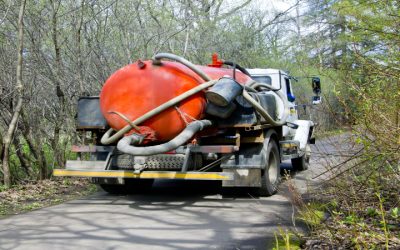
Septic system maintenance in Commerce GA covers several interconnected tasks: tank pumping, professional inspections, drain cleaning, and grease trap service for commercial properties. When any one of these is neglected, the entire system is at risk.
What the EPA Says About Septic Maintenance Costs
The financial case for regular maintenance is straightforward. According to the EPA’s SepticSmart program, regular septic system maintenance fees of $250 to $500 every three to five years is a bargain compared to the cost of repairing or replacing a malfunctioning system, which can cost between $5,000 and $15,000 for a conventional system.
Failure to maintain a septic system can lead to sewage backups, contamination of drinking water sources, expensive repairs, and environmental damage. Regular inspections and preventative maintenance are often less costly than replacing a failed system.
Beyond the wallet, there are health and property considerations. An unusable septic system or one in disrepair will lower your property value and potentially pose a costly legal liability. For homeowners in Jackson County and surrounding areas, that risk is real and avoidable.
A Practical Septic Maintenance Schedule
The maintenance cycle for a conventional residential septic system operates on three nested timeframes: annual visual inspection, a pumping interval of 3 to 5 years depending on household size and tank capacity, and a periodic drainfield assessment conducted every 5 to 10 years or whenever performance indicators degrade.
Here is how that breaks down by task:
| Task | Frequency | Who Performs It |
|---|---|---|
| Visual check of yard and drainfield | Monthly | Homeowner |
| Effluent filter cleaning | Every 6-12 months | Pro recommended |
| Professional tank inspection | Every 1-3 years | Licensed pro |
| Tank pumping | Every 3-5 years | Licensed pro |
Tank size and household size are the two biggest variables. A 1,000-gallon tank serving four people needs pumping roughly every three years. Larger households or smaller tanks shorten that interval considerably.
Grease traps at restaurants and commercial properties follow a tighter schedule. Grease accumulates faster than residential waste and can block drain lines quickly if left unchecked.
Warning Signs That Maintenance Is Overdue
Do not wait for a full failure before calling a professional. These signs indicate your system needs attention now:
- Slow drains throughout the house, not just one fixture
- Gurgling sounds from toilets or sinks
- Wet, spongy ground over the drainfield, especially without recent rain
- Sewage odors inside the home or near the tank lid
- Unusually lush, green grass directly above the drainfield
Regularly inspecting septic systems can help detect issues early on. Early detection can keep repair costs down and potentially avoid expensive problems. Any of the signs above warrants a professional inspection before the situation escalates.
Verified Services for Commerce Area Homeowners
Price’s Septic Tank Services, LLC is a third-generation family-owned business. They service septic tanks, grease traps, as well as commercial waste. They offer high-pressure jetting service and are state certified for inspection letters for home sales, loans, and adoptions.
The family-owned team specializes in reliable septic tank pumping and maintenance, and also delivers professional grease trap cleaning, along with drain cleaning, inspections, and spill cleanup.
Shane Price is the third generation of Price’s Septic Tank Service and is a GA certified septic pumper and installer. The team serves residential and commercial clients throughout Commerce, Jackson County, and the surrounding Northeast Georgia region.
Frequently Asked Questions
How often should a septic tank be pumped in Commerce, GA? Most septic systems need pumping every 3-5 years and a professional inspection every 3 years, according to EPA guidelines. Exact frequency depends on tank size, household size, and system type.
What happens if I skip septic maintenance? Solids accumulate and eventually migrate into the drainfield, clogging the soil and causing system failure. A full system replacement costs $15,000 to $30,000 or more. Routine pumping prevents that outcome.
Does my commercial property need grease trap cleaning too? Yes. Residential septic tanks as well as commercial clients who use septic tanks and grease traps at restaurants, shopping centers, and more all require regular service to stay compliant and functional.
Can I get a septic inspection for a home sale in Georgia? Price’s Septic Tank Service is state certified for inspection letters for home sales, loans, and adoptions, making them a reliable option when a transaction depends on a documented system assessment.
Consistent maintenance is the most cost-effective decision a property owner can make for their septic system. Whether the concern is an upcoming home sale, a commercial grease trap, or simply staying ahead of a pump-out schedule, acting before a problem develops is always less expensive than reacting after one. Price’s Septic Tank Service serves Commerce, GA and the surrounding Northeast Georgia area with pumping, inspections, drain cleaning, high-pressure jetting, and grease trap service for both residential and commercial properties.