Key point:
• Reliable trucking and hauling services in Cheney, WA cover material delivery, debris removal, and heavy equipment transport — all critical to keeping construction and paving projects on schedule.
• Choosing a contractor with the right fleet, proper licensing, and local experience reduces costly project delays.
Finding dependable trucking hauling in Cheney WA means looking beyond the truck itself — it means vetting credentials, fleet capacity, and the range of services a provider can handle from start to finish. Whether the project is a residential driveway, a commercial parking lot, or a large-scale paving job, the hauling component directly affects timeline and budget.
What Trucking and Hauling Services Actually Cover
Hauling in a construction context is broader than most property owners realize. A full-service provider typically handles several distinct tasks under one contract:
• Delivery of raw materials such as gravel, aggregate, and hot mix asphalt
• Removal of excavated soil, demolished pavement, and debris
• Transport of heavy equipment between job sites using lowboy trailers
• Landscape material deliveries for grading and site prep
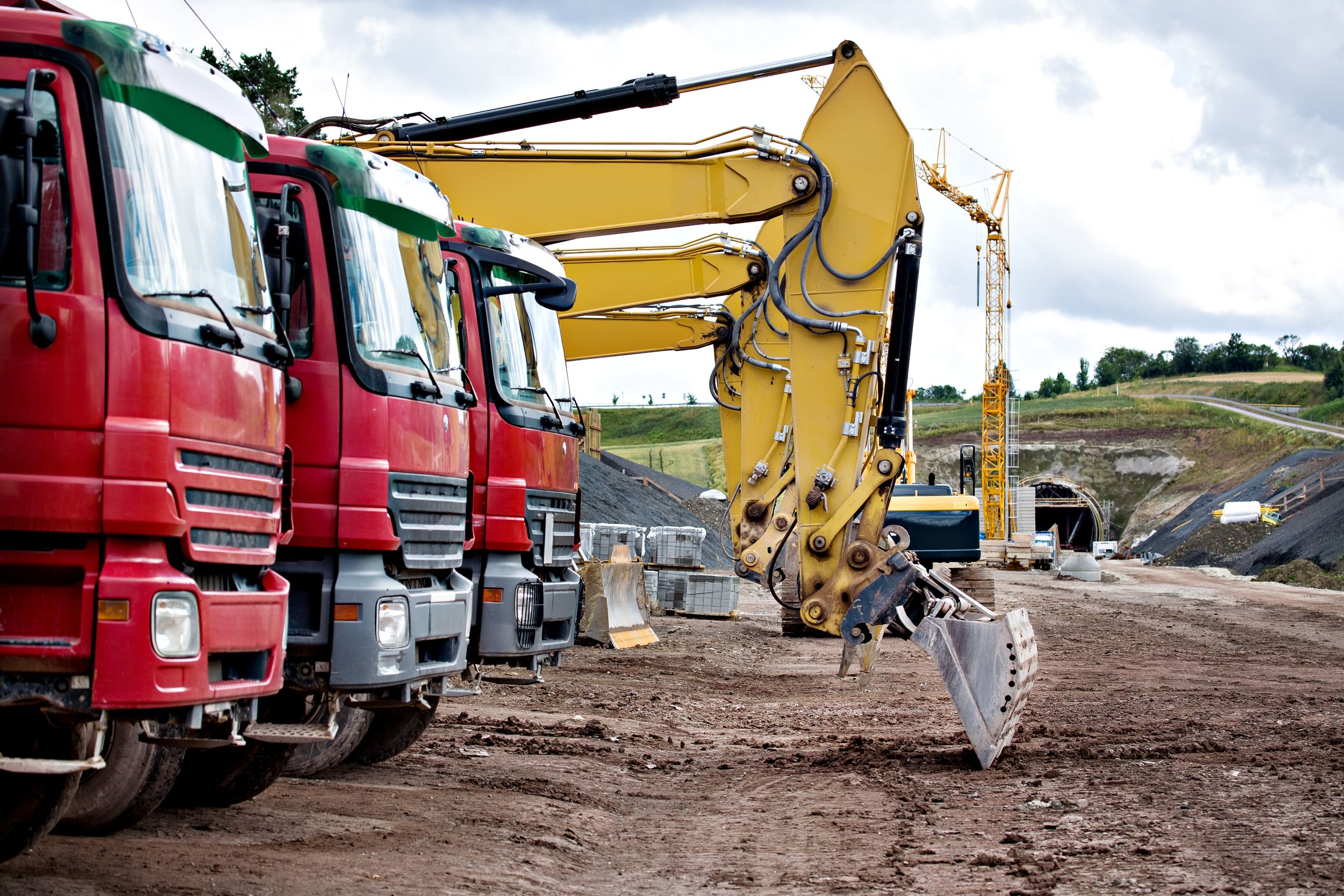
Providers that offer trucking, hauling, and dump truck services help keep a project on schedule and within budget by handling the transportation of materials and debris. Lowboy services are also available for transporting heavy equipment safely and efficiently, giving clients a complete range of options in one place.
Bundling hauling with paving or grading work under a single contractor also reduces coordination overhead. Fewer vendors means fewer scheduling conflicts.
How to Evaluate a Hauling Contractor in Cheney
Not every trucking company operating in the Spokane-Cheney corridor carries the same credentials. Use the checklist below when comparing providers.
|
Evaluation Factor |
What to Look For |
|
Licensing |
Valid WA contractor license and USDOT number |
|
Fleet type |
Dump trucks, lowboys, and material-delivery rigs |
|
Service scope |
Materials in, debris out, equipment transport |
|
Local experience |
Familiarity with Cheney-area roads and project types |
All commercial carriers crossing state lines or hauling regulated commodities must register with the Federal Motor Carrier Safety Administration (FMCSA), obtaining a USDOT number that identifies the company and its safety record. For intrastate work, the FMCSA’s carrier safety standards still apply to vehicles above the federal weight threshold, so confirming a contractor’s registration status is a straightforward first step.
Commercial vehicle drivers must hold a commercial driver’s license (CDL), categorized into different classes based on the vehicle’s weight, type, and cargo being transported. Ask any prospective hauler to confirm CDL class and insurance coverage before signing a contract.
Beyond paperwork, ask about fleet size and availability. A contractor with a single dump truck may not be able to scale up if the project grows.
Matching Fleet Type to Project Needs
Different hauling tasks call for different equipment. Using the wrong truck type adds time and cost.
• Dump trucks: Best for bulk material delivery (gravel, asphalt base) and debris removal
• Lowboy trailers: Required for moving heavy equipment such as excavators, rollers, and pavers
• Flatbed trucks: Suited for lumber, steel, and large prefabricated components
Service providers that offer lowboy services, dump truck services, and gravel and landscape material deliveries can support a wide range of project needs. Confirming that a contractor carries all three equipment types before project kickoff prevents mid-project gaps when one truck type is unavailable.
For paving projects specifically, timing the asphalt delivery to match the paving crew’s pace is critical. Hot mix asphalt has a limited workable temperature window, so a hauler with reliable scheduling and adequate truck count matters as much as price.
Working With a Local Provider in Cheney
Local hauling contractors familiar with Cheney’s road network, weight restrictions, and seasonal conditions offer a practical advantage over regional dispatch-only operators. Washington requires specific routing for heavy haul loads, and checking WSDOT load restriction maps before planning a route is essential to avoid permit violations and road damage.
Black Diamond Asphalt Paving LLC was started by David Bruzas in 2014, and David has over 21 years of experience in the asphalt paving industry. His business partner and brother, Daniel Bruzas, brings more than 15 years of experience in both commercial and residential construction.
For Cheney-area projects that combine paving and hauling, consolidating both scopes under one experienced contractor simplifies communication and accountability.
Frequently Asked Questions
What types of materials can a hauling contractor deliver to a Cheney job site? Most full-service haulers deliver gravel, crushed aggregate, asphalt base materials, and landscape fill. Some also handle specialty materials for site prep and grading.
Do I need a separate contractor for equipment transport and material delivery? Not necessarily. Providers with both dump trucks and lowboy trailers can handle material delivery and heavy equipment transport under one agreement, which simplifies scheduling.
What licensing should a trucking hauling contractor in Washington have? At minimum, look for a valid Washington State contractor license, a USDOT number, and proof of commercial liability and cargo insurance.
How does hauling affect the overall paving project timeline? Hauling delays — whether for material delivery or debris removal — create idle time for paving crews. Coordinating hauling and paving under one contractor reduces this risk significantly.
For Cheney-area paving and hauling projects, contact Black Diamond Asphalt Paving LLC to discuss fleet availability, service scope, and scheduling for your next project.