Takeaway:
- Commercial roof repair addresses leaks, membrane damage, and drainage problems before they force a full replacement.
- Flat and low-slope roofs common on commercial buildings need routine inspection to catch issues like ponding water and flashing failure early.
- Property owners in Kansas City, KS can rely on local coating, membrane, and leak-repair services to extend roof lifespan.
Commercial roof repair refers to the targeted correction of leaks, membrane damage, drainage failures, and flashing problems on flat or low-slope roofing systems common to business and industrial buildings. The goal is to resolve specific issues before they spread into costly structural damage or trigger an early replacement.
Building owners who delay repairs often face a familiar pattern: a small leak becomes stained ceiling tile, then wet insulation, then a larger membrane failure. Commercial roof repair performed early typically costs far less than waiting for a problem to escalate into a full system replacement. Recognizing warning signs and understanding what a repair actually involves helps property managers make informed decisions about timing and budget.
Common Signs a Commercial Roof Needs Attention
Flat and low-slope commercial roofs show distress differently than residential sloped roofs. The following issues are the most frequently reported triggers for a repair call.
- Water stains or dripping indoors. Brown ceiling stains or active dripping after a storm usually point to a membrane puncture, failed seam, or flashing gap.
- Ponding water. Standing water that remains on a flat roof more than 48 hours after rainfall stresses the membrane and accelerates deterioration.
- Sagging or soft spots. A dip in the roof surface often signals trapped moisture in the insulation layer or structural stress.
- Rising energy bills. A roof that no longer insulates or reflects heat effectively can increase heating and cooling costs.
- Visible membrane damage. Cracks, blisters, or torn seams after severe weather should be checked promptly to prevent water intrusion.
Several of these warning signs overlap, and a professional inspection is the most reliable way to confirm the underlying cause before any repair work begins.
What a Professional Repair Process Typically Involves
A structured repair approach reduces the chance of missed damage and repeat leaks. Most commercial roofing contractors follow a similar sequence:
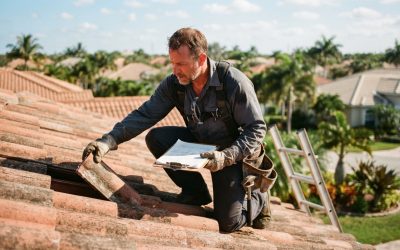
- Inspection and diagnosis – identifying the source of leaks, checking flashing, drains, and membrane condition.
- Spot repair or patching – sealing punctures, replacing damaged membrane sections, or correcting seam separation.
- Drainage correction – addressing ponding water through tapered insulation or drain clearing.
- Coating application – applying a protective or reflective coating to extend the service life of the existing roof system.
Flat roofing systems in particular depend on correct drainage design, since water that cannot move off the roof surface creates ongoing pressure on seams and membrane material. Safety is also part of the process: roof access and repair work on commercial buildings is governed by federal fall-protection rules, including OSHA’s fall protection standards for construction, which require protective measures for work performed at height.
Repair Versus Replacement: Weighing the Options
Not every roof problem requires a full tear-off. The comparison below outlines when repair is typically sufficient versus when replacement becomes the more practical choice.
| Condition | Repair Likely Sufficient | Replacement Likely Needed |
| Roof age | Under 15-20 years | Approaching or past 20-25 years |
| Leak pattern | Single, isolated leak | Recurring leaks in multiple areas |
| Membrane condition | Minor cracks or seam separation | Widespread blistering or torn membrane |
| Drainage | Localized ponding, correctable | Chronic ponding across large sections |
Property owners in Kansas City, KS deal with seasonal temperature swings, freeze-thaw cycles, and storm activity that all place added stress on flat commercial roofing systems. Scheduling an inspection after major weather events, and at least once annually, helps catch developing issues while repair is still the more cost-effective path.
Frequently Asked Questions
How much does commercial roof repair typically cost? Costs vary based on the extent of damage, roof size, and material type, so an on-site inspection is the only reliable way to get an accurate estimate for a specific building.
How often should a commercial roof be inspected? Most roofing professionals recommend at least one inspection per year, along with additional checks following severe storms, hail, or high winds.
Can a coating extend the life of an existing commercial roof? Elastomeric or reflective roof coatings can add protective life to an existing membrane when applied to a roof that is still structurally sound, often delaying the need for full replacement.
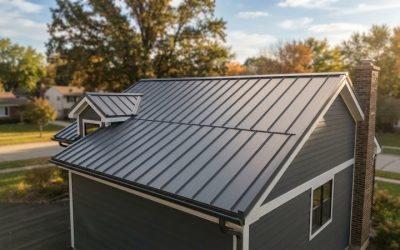
What roofing materials are most common on commercial buildings? Flat and low-slope commercial roofs commonly use single-ply membranes, modified bitumen, metal panels, or spray polyurethane foam systems, each with different maintenance needs.
Business Information and Next Steps
Midwest Diversified Inc is a roofing contractor based in the Kansas City, KS area, serving commercial and industrial properties throughout the region.
Additional details about service availability and local coverage are published through Midwest Diversified Inc for property owners researching commercial roofing options in the area.