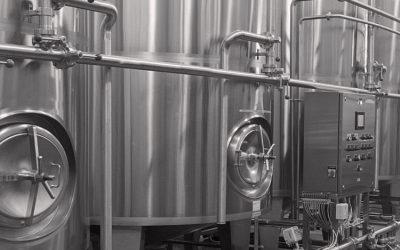
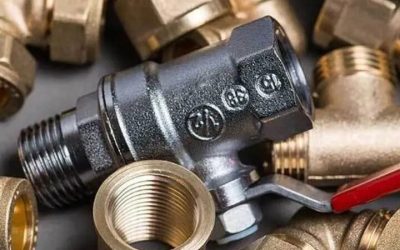
In the bustling world of food and beverage manufacturing across the United States, safety and hygiene standards are not just regulatory requirements—they are the foundation of consumer trust. Production facilities must implement rigorous controls to prevent contamination at every stage of processing, from the reception of raw ingredients to the packaging of finished goods. One of the most critical components in maintaining these high standards is the use of Sanitary Valves. These specialized valves are designed to ensure that fluids move through the system without introducing contaminants, making them essential for compliance and product integrity.
The Role of Sanitary Valves in Contamination Prevention
Sanitary valves are specifically engineered to meet the strict hygiene demands of the food and beverage industry. Their unique construction, often utilizing stainless steel and smooth, crevice-free surfaces, minimizes the risk of bacterial growth. Unlike standard valves, sanitary valves are designed for easy disassembly and cleaning, allowing maintenance teams to thoroughly sanitize all internal components.
Key features that contribute to contamination prevention include:
- Hygienic Design: Smooth surfaces and minimal dead space prevent residue buildup, which can harbor bacteria or allergens.
- Material Selection: Corrosion-resistant materials like stainless steel ensure durability and maintain sanitary conditions, even after repeated cleaning cycles.
- CIP/SIP Compatibility: Many sanitary valves are compatible with Clean-in-Place (CIP) and Sterilize-in-Place (SIP) processes, allowing for automated, thorough cleaning without dismantling the system.
Ensuring Compliance with Food Safety Standards
American food and beverage processors are subject to stringent regulations set forth by agencies such as the Food and Drug Administration (FDA) and the United States Department of Agriculture (USDA). Sanitary valves play a pivotal role in meeting these requirements by:
- Maintaining Product Purity: By preventing cross-contamination between different product batches, sanitary valves help safeguard against allergen exposure and ensure consistent product quality.
- Supporting Traceability: Their design facilitates easy inspection and validation, which is crucial for documenting compliance during audits.
- Reducing Downtime: Quick and efficient cleaning processes made possible by sanitary valves mean less production downtime and more reliable operations.
Enhancing Operational Efficiency and Safety
Beyond compliance, sanitary valves contribute to the overall efficiency and safety of processing plants. Their reliable sealing mechanisms prevent leaks and accidental spills, reducing the risk of workplace hazards. Additionally, their robust construction ensures longevity, minimizing the frequency of replacements and associated maintenance costs.
Some operational advantages include:
- Improved Product Yield: Precise flow control reduces product loss during transfer and changeover.
- Lower Maintenance Requirements: Easy-to-clean designs decrease the need for extensive manual labor, reducing the risk of human error during reassembly.
- Enhanced Worker Safety: By minimizing exposure to cleaning chemicals and hazardous materials, sanitary valves help create a safer working environment.
Building Trust Through Hygiene
Ultimately, the use of sanitary valves is not just about meeting regulatory requirements—it’s about building trust with consumers. In an era where food safety is constantly in the spotlight, American processing plants rely on advanced technology and best practices to deliver products that are safe, high-quality, and consistent. By investing in the right sanitary equipment, manufacturers demonstrate their commitment to excellence and public health.
In summary, sanitary valves are indispensable in ensuring food and beverage safety in American processing plants. Their advanced design, compatibility with cleaning protocols, and compliance with regulatory standards make them a cornerstone of modern production facilities. By prioritizing hygiene at every step, manufacturers can confidently deliver safe products to consumers and maintain a competitive edge in a demanding market.