The gist:
- A cracked or shattered windshield is a structural safety issue, not just a visibility problem — replacement should happen promptly.
- Blanchard-area drivers have access to mobile auto glass replacement, ADAS calibration, and rock chip repair without leaving home or work.
- Choosing a shop that uses DOT-compliant glass and follows federal safety standards protects both occupants and vehicle systems.
When your windshield cracks, the clock starts immediately. A damaged windshield weakens your vehicle’s structural integrity and can interfere with airbag deployment — making timely replacement a genuine safety priority, not a cosmetic one.
If you need auto glass replacement in Blanchard OK, understanding the process, the safety standards involved, and what to look for in a technician will help you make a confident, informed decision before you book an appointment.
Why Windshield Damage Demands Fast Action
A windshield does far more than block wind. NHTSA data establishes that the windshield contributes approximately 30 percent of a vehicle’s structural rigidity in a frontal collision and up to 60 percent of rollover roof crush resistance. That means even a crack that seems minor can compromise the vehicle’s ability to protect occupants in a crash.
The repair-vs.-replace decision follows clear industry guidelines. A chip smaller than a quarter in diameter and outside the driver’s primary line of sight is generally repairable, while a crack longer than 3 inches typically requires full replacement under AGSC ROLAGS guidelines. When in doubt, a qualified technician can assess the damage on-site.
Delaying a replacement also risks the damage spreading. Temperature swings, road vibration, and pressure from car washes can all extend a crack across the glass within days.
Federal Safety Standards Every Replacement Must Meet
Not all glass is equal. Replacement glass must comply with Federal Motor Vehicle Safety Standard (FMVSS) 205, which governs transparency, impact resistance, and labeling, to ensure performance equal to factory specifications. This standard, administered by the National Highway Traffic Safety Administration (NHTSA), applies to laminated windshields, tempered side windows, and rear glass.
A second layer of compliance comes from installation practices. The Auto Glass Safety Council (AGSC) publishes ANSI/AGRSS 003 — the installation standard governing adhesive selection, surface preparation, and minimum safe drive-away times. According to the Auto Glass Safety Council, following these standards is what separates a structurally sound replacement from one that may fail under stress.
One more consideration for newer vehicles: vehicles with forward-facing cameras mounted to the windshield — including lane departure, automatic emergency braking, and adaptive cruise systems — require recalibration after any replacement. NHTSA guidance and OEM service documentation treat uncalibrated ADAS as a safety-critical condition.
What to Expect From the Replacement Process
A professional auto glass replacement typically follows these steps:
- Damage assessment — The technician evaluates whether repair or full replacement is needed.
- Glass selection — DOT-compliant OEM or OEM-equivalent glass is selected for your vehicle’s make and model.
- Removal — The damaged panel is carefully cut away without damaging the pinch weld or surrounding trim.
- Surface preparation — The frame is cleaned and primed to ensure proper adhesive bonding.
- Installation and cure — New glass is bonded with urethane adhesive and allowed to cure before the vehicle is driven.
- ADAS calibration (if applicable) — Camera and sensor systems are recalibrated to restore full functionality.
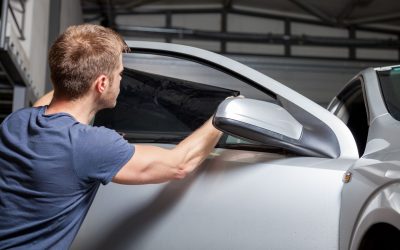
Mobile service is widely available in the Blanchard area, meaning technicians come to your home or workplace. Mobile service allows the shop to come to you — whether you are at home, work, or on the go — so your glass is repaired or replaced without you having to leave your location.
Comparing Your Auto Glass Service Options
| Service Type | Best For | Key Consideration |
| Rock chip repair | Small chips outside driver’s sightline | Fast, lower cost; must be done before crack spreads |
| Full windshield replacement | Cracks over 3 inches or in driver’s view | Requires cure time before driving |
| Side/rear glass replacement | Shattered door or back glass | Tempered glass; no repair option |
| ADAS calibration | Any ADAS-equipped vehicle post-replacement | Safety-critical; cannot be skipped |
Frequently Asked Questions
How long does auto glass replacement take? Most windshield replacements take one to two hours for the installation itself. Adhesive cure time before safe driving is typically one hour, though your technician will confirm based on conditions and adhesive type.
Will my insurance cover windshield replacement in Oklahoma? Oklahoma is not a zero-deductible state for glass claims, so coverage depends on your specific comprehensive policy. Contact your insurer before scheduling to confirm your deductible and whether a preferred shop network applies.
Do I need ADAS recalibration after a windshield replacement? If your vehicle has a forward-facing camera mounted to the windshield — common on most vehicles built after 2015 — yes. Skipping calibration can cause safety systems like automatic emergency braking to malfunction.
Can a cracked windshield fail an Oklahoma vehicle inspection? Yes. Oklahoma state inspections include a windshield check. A crack in the driver’s primary viewing area is grounds for a failed inspection.
For drivers in and around Blanchard, Stoneking Auto Glass offers mobile auto glass replacement and repair, ADAS calibration, rock chip repair, sunroof replacement, and custom glass fabrication for classic vehicles. The business provides on-site services and works on autos, trucks, semis, heavy equipment, classics, and customs. Scheduling mobile service means a qualified technician comes to your location, handles the replacement using compliant materials, and gets you back on the road safely — without a trip to a shop.