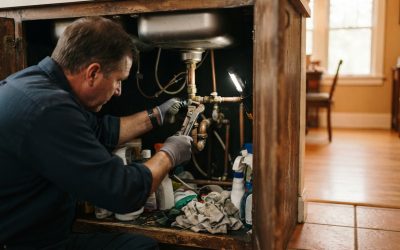
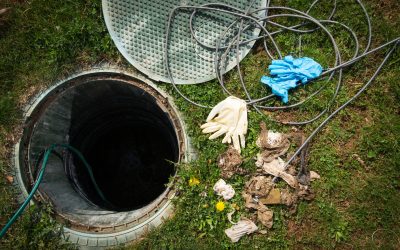
Plumbing emergencies, such as burst pipes, overflowing toilets, leaking water heaters, and clogged drains, can cause significant property damage if left unaddressed. Homeowners should shut off the main water supply when necessary, avoid using affected fixtures, and keep electrical devices away from standing water. Recognizing warning signs early and seeking professional assistance can help minimize damage and restore normal plumbing operations.
Recap:
• A burst pipe, overflowing toilet, or failed water heater calls for shutting off the water supply first, then contacting a licensed plumber.
• Common Little Rock plumbing emergencies include slab leaks, sewer backups, gas line issues, and water heater failures tied to the region’s older housing stock and seasonal temperature swings.
• Knowing where your main shutoff valve is located can limit water damage before help arrives.
When a pipe bursts or a water heater fails at 2 a.m., the first move matters more than the first phone call. Shutting off the water at the main valve and cutting power to electrical appliances near standing water reduces damage while you arrange for help.
Finding reliable emergency plumbing in Little Rock, AR support starts with knowing which situations genuinely require immediate attention versus which can wait until regular business hours. Not every drip is a crisis, but a handful of specific failures can cause thousands of dollars in damage within hours if ignored.
Which Plumbing Problems Count as True Emergencies
Some issues are urgent by definition. Others feel urgent but can usually wait a day with the right temporary fix.
Situations that typically need same-day attention:
• Burst or actively leaking supply pipes
• Sewer backups coming up through drains or toilets
• No hot water combined with visible tank leaking or rust-colored water
• Gas odor near a water heater or furnace (leave the home and call the gas utility immediately)
• A slab leak causing warm spots on flooring or unexplained water pooling
Issues that can often wait for a scheduled appointment:
• A slow drain in one fixture
• A running toilet that still shuts off eventually
• Minor faucet drips without active flooding
The difference usually comes down to whether water or gas is actively escaping and whether it threatens flooring, electrical systems, or breathable air.
Why Little Rock Homes Face Specific Plumbing Risks
Central Arkansas’s mix of older housing stock, clay-heavy soil, and seasonal freeze-thaw cycles creates conditions that accelerate certain types of plumbing failures. Slab leaks are a recurring concern in the region because a hidden leak can waste water, raise utility costs, damage flooring, and create moisture problems before you ever see a puddle. Pipes running beneath concrete slabs are especially hard to inspect visually, which is why early detection tools matter.
Household leaks are also a bigger issue nationally than most homeowners realize. According to the EPA watersense program, household leaks can waste nearly 1 trillion gallons of water annually nationwide, with the average home losing more than 9,300 gallons a year to undetected drips and slow leaks. That scale of waste, multiplied across a single home over months, explains why a seemingly minor leak behind a wall or under a slab can quietly become a major repair.
Drain backups are another frequent call type in the area. Timely drain cleaning can help remove buildup before it leads to backups, pipe stress, foul odors, or more serious sewer line concerns. Homes with mature trees or older clay sewer lines are particularly prone to root intrusion, which can turn a slow drain into a full backup without warning.
Safe First Steps Before the Plumber Arrives
Taking the right steps in the first ten minutes can meaningfully reduce repair costs and downtime.
1. Locate and shut off the main water valve, usually near the water meter or where the line enters the home.
2. Turn off the water heater’s power or gas supply if a leak is near the unit.
3. Move furniture, electronics, and rugs away from standing water.
4. Open a faucet to relieve pressure in the lines after the main valve is closed.
5. Avoid running water heaters, washing machines, or dishwashers until the issue is diagnosed.
| Emergency Type | Immediate Action | Can It Wait? |
| Burst pipe | Shut off main water valve | No |
| Sewer backup | Stop using drains and toilets | No |
| Water heater leak | Cut power/gas, shut water supply | No |
| Slow single-drain clog | Try a plunger, monitor | Usually yes |
Supporting Repairs That Address Root Causes
Once immediate damage is controlled, identifying the underlying cause prevents repeat emergencies. Professional leak detection uses specialized equipment to locate problems without unnecessary demolition. The professional leak detection process is designed to help pinpoint the cause of active or suspected leaks without unnecessary disruption, using advanced leak detection technology to determine where the problem may be coming from. For drain-related backups, rooter and sewer cleaning services clear the blockage and can reveal whether a deeper line issue needs follow-up repair.
Victory Plumbing, a locally owned plumbing company serving Little Rock and the surrounding central Arkansas area, provides these diagnostic and repair services alongside general residential and commercial plumbing work. The company’s service lineup, drawn from its published offerings, includes leak detection, rooter and drain cleaning, water heater repair and installation, pipe repair, and gas line work.
Frequently Asked Questions
How do I know if I have a slab leak versus a surface leak? Warm spots on flooring, a spike in water bills without a visible cause, or the sound of running water when fixtures are off are common slab leak indicators that warrant professional leak detection.
Is it safe to use the toilet during a sewer backup? No. Using any drain or toilet during a backup can push wastewater further into the home; stop all water use until a plumber clears the line.
What should I do if I smell gas near my water heater? Leave the house immediately, avoid switching lights or appliances, and call your gas utility from outside before contacting a plumber.
Can a slow drain turn into an emergency? Yes. Buildup that goes unaddressed can progress into a full backup, especially in homes with older sewer lines or mature tree roots nearby.
Plumbing emergencies rarely give advance warning, but knowing the difference between a true crisis and a manageable nuisance helps homeowners act quickly and avoid unnecessary damage. Shutting off water or gas at the first sign of trouble, then calling a licensed local plumber for diagnosis and repair, remains the most reliable way to protect a home’s structure and systems. For Little Rock homeowners dealing with leaks, backups, or water heater failures, Victory Plumbing offers local diagnostic and repair support drawn from its published residential and commercial service list.