Short answer:
- Most window film installation problems, including bubbling, peeling, and haze, trace back to dust, moisture, or rushed technique during application.
- Choosing quality film, proper surface prep, and professional application are the main defenses against premature failure.
- Correctable issues (minor edge lift, small bubbles) often differ from issues that require full film replacement.
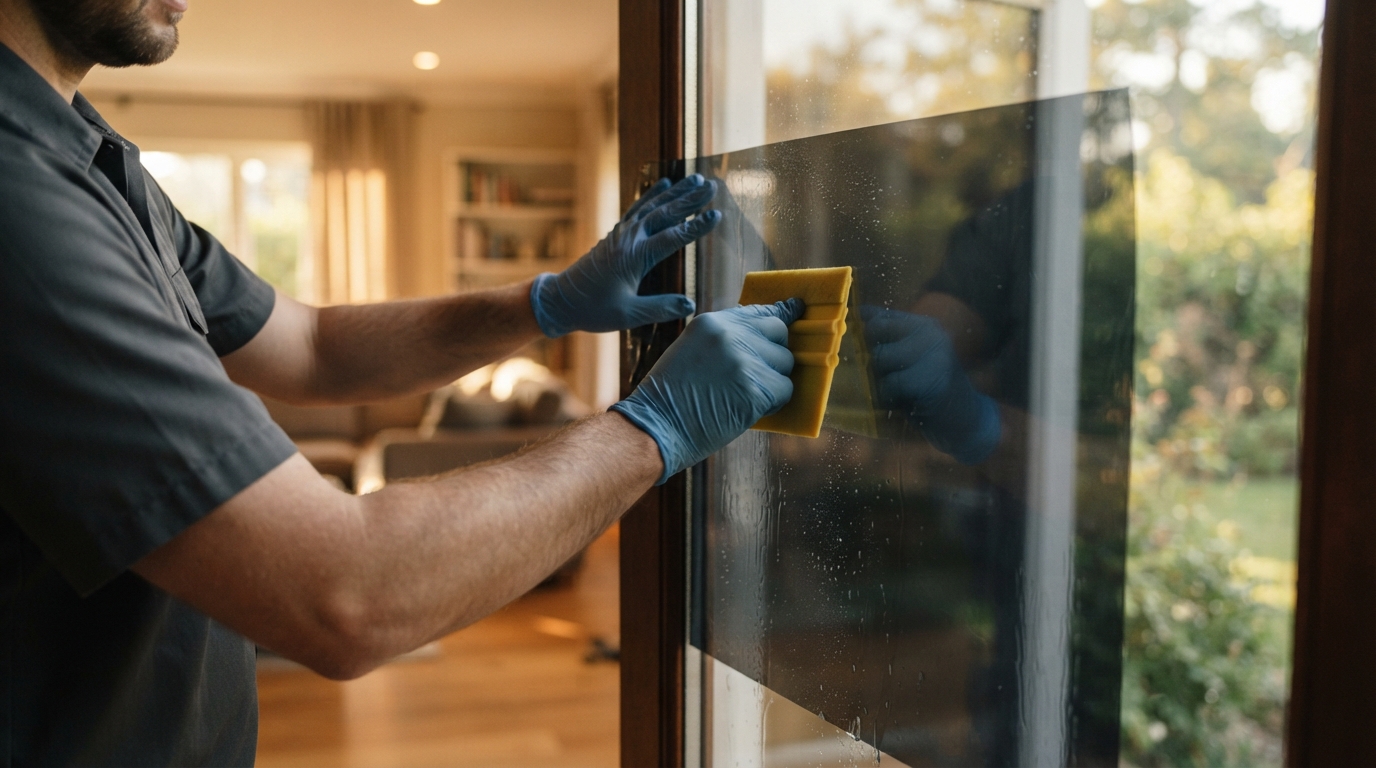
Window film installation looks simple from the outside: clean the glass, apply the film, and squeegee it flat. In practice, a handful of avoidable mistakes account for many of the problems homeowners and business owners experience within the first year. Coastline Tint understands the importance of proper preparation and careful application in achieving a smooth, lasting finish. Understanding what causes common installation issues and how professional Window Film Installation helps prevent them allows property owners to set realistic expectations and make informed decisions before a project begins.
Film problems generally fall into three categories: installation technique, surface preparation, and material quality. Each has distinct warning signs, and each has a straightforward fix when caught early.
Why Bubbles and Air Pockets Form
Bubbling is the most common complaint after a new film application, and it almost always points to trapped air, moisture, or debris. One of the most frequent causes of window tint failure is improper installation, where contaminants like dust or dirt that aren’t thoroughly removed before application get trapped under the film, leading to bubbling.
Not every bubble signals a real problem, though timing matters:
- Fresh installs: If tint was installed recently, small water bubbles or a hazy appearance are often part of the curing process, as professional installers use a mounting solution to position the film correctly before removing excess moisture.
- Weeks or months later: Bubbles within days are an installation problem, while bubbles months later are usually a glass or adhesion problem.
- Technique errors: Many bubble problems come from installation mistakes rather than film quality, including uneven squeegee pressure, trapped slip solution, misaligned film placement, and rushing through application, which traps air and liquid underneath when the film is not smoothed from the center outward.
Edge Peeling and Adhesive Failure
Peeling tends to start at corners and edges rather than the center of the pane. Edge peeling is the most common film failure seen in the field, and it is nearly always an installation issue, such as film cut too tight, pressed too hard at the edge, or trimmed before the glass was fully dry.
Trimming technique plays a direct role in whether edges hold up over time:
- Jagged or table-cut trimming creates thin spots that lift first.
- Professionals trim on the glass with a guided blade, not on a table.
- Rolling down a freshly tinted window too soon can disturb the bond before it sets.
- Most adhesives require 48 to 72 hours to cure, and sometimes longer in humid climates.
Heat and sun exposure compound these risks over the life of the film. Consistent exposure to sunlight, heat, and harmful UV rays weakens the adhesive used for window film, making peeling and bubbling more likely in climates with intense sun or high temperatures. This makes climate-appropriate film selection and correct curing time especially relevant for coastal Southern California properties with strong year-round sun exposure.
Film Quality and Energy Performance Tradeoffs
Not every installation problem comes from technique. Material quality sets a ceiling on how well film performs over time. Low-quality window films often contain weak adhesives or inadequate UV stabilizers, making them highly susceptible to environmental damage, and while they might initially appear cost-effective, they typically deteriorate quickly, resulting in bubbling, peeling, or discoloration.
Film quality also affects the energy benefits property owners expect from the upgrade. According to the U.S. Department of Energy, choosing fenestration products with verified performance ratings for the local climate zone is central to realizing energy savings from any window treatment. A properly installed, quality film supports that performance; a poorly applied or inferior one undermines it regardless of its rated specifications.
| Issue | Likely Cause | Typical Fix |
|---|---|---|
| Bubbles within days | Trapped air or slip solution | Usually resolves during curing |
| Bubbles after months | Adhesive breakdown or contamination | Professional reapplication |
| Edge peeling | Poor trimming or early window use | Re-press or replace film |
| Persistent haze | Low-quality film or chemical exposure | Film replacement |
Frequently Asked Questions
How long does new window film take to cure? Curing timelines vary by product and climate, but adhesives commonly need two to three days before windows should be rolled down or disturbed, with longer times in humid conditions.
Is bubbling after installation always a problem? Not necessarily. Small moisture bubbles shortly after application are typically part of normal curing and resolve on their own as the film dries.
Can peeling film be repaired instead of replaced? Minor edge lift can sometimes be cleaned, dried, and re-pressed, but widespread peeling or compromised adhesive generally requires removing and reinstalling the film.
Does film quality matter as much as installation skill? Both matter. Even a well-applied film underperforms if the material itself has weak adhesive, while a premium film installed poorly can still bubble or peel prematurely.
Next Steps for a Reliable Film Application
Window film performs best when surface preparation, technique, and material quality all align, and skipping any one of those steps is what leads to the bubbling, peeling, and haze described above. Coastline Tint provides window film and window tint installation services for homes, offices, and commercial buildings throughout Orange County, with attention to the preparation and application details that affect long-term results. Property owners weighing a new installation or troubleshooting an existing one can Visit Coastline Tint to review service details and reach out with specific questions about their windows.