The gist:
• Water stains, musty odors, warped flooring, and rising utility bills often signal hidden water damage that needs prompt attention.
• Materials left wet beyond 24-48 hours are at higher risk for mold growth, according to federal guidance.
• Professional assessment helps determine whether drying, extraction, or structural repair is needed before damage spreads.
Discoloration on ceilings or walls, a persistent musty smell, soft or warped flooring, and unexplained spikes in water bills are among the clearest indicators that a property needs prompt attention from a restoration professional. Addressing these symptoms early can limit structural damage and reduce the chance of mold taking hold in wall cavities, subflooring, or insulation. Contact Parkside Restoration to schedule an assessment.
Water damage restoration in Naperville IL typically becomes necessary after events such as burst pipes, sump pump failures, roof leaks, or basement flooding during heavy rain. Homeowners in the area often notice problems only after moisture has already traveled into drywall, trim, or flooring, which makes early identification of warning signs especially important for limiting repair costs.
Visible and Hidden Warning Signs
Some signs of water intrusion are obvious, while others develop slowly behind walls or under flooring. Recognizing both types helps homeowners act before minor leaks turn into larger structural problems.
Visible indicators include:
• Yellow, brown, or copper-colored stains on ceilings or walls
• Peeling paint, bubbling drywall, or warped baseboards
• Standing water or damp carpet in basements and crawl spaces
• Visible mold growth on surfaces
Less obvious indicators include:
• A persistent musty or earthy odor in a specific room
• Flooring that feels soft, spongy, or uneven underfoot
• Doors or windows that stick due to swollen frames
• Unexplained increases in water usage or utility bills
Federal guidance on indoor moisture notes that materials should be dried within a defined window to limit secondary damage. According to the EPA’s guidance on mold and moisture control, it is important to dry water-damaged areas and items within 24-48 hours to prevent mold growth. This timeframe is one reason prompt inspection matters once any of the signs above appear.
Why Timing Matters for Naperville Properties
Local housing stock and seasonal weather patterns both influence how quickly water damage can escalate. Many homes in Naperville, IL feature finished basements, which are particularly vulnerable to sump pump failures and groundwater seepage during spring thaw or heavy summer storms.
Freeze-thaw cycles common to the region can also stress plumbing lines, increasing the likelihood of pipe bursts during winter months. Once water reaches a threshold area, mold growth covering more than roughly 10 square feet typically moves beyond a simple cleanup task and into territory that calls for professional containment, based on the same EPA guidance referenced above.
What a Professional Assessment Involves
A restoration evaluation generally starts with identifying the water source and categorizing the extent of saturation before any drying equipment is deployed.
1. Source identification – Determining whether the water is clean, gray, or contaminated (such as sewage backup).
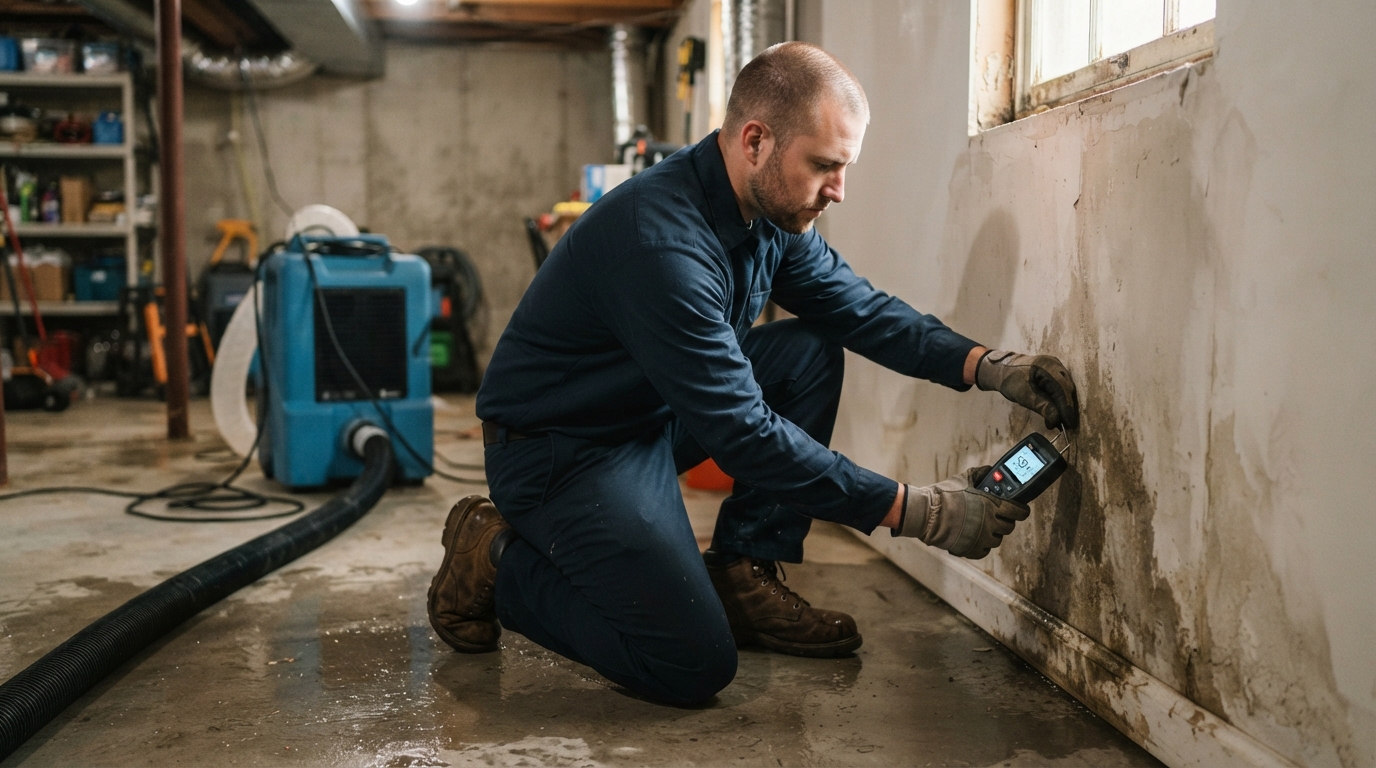
2. Moisture mapping – Using moisture meters to locate water that has migrated into walls, subflooring, or insulation.
3. Extraction and drying – Removing standing water and setting industrial dehumidifiers and air movers.
4. Monitoring – Rechecking moisture levels over several days to confirm materials have dried completely before repairs begin.
| Damage Severity | Typical Signs | Recommended Response |
| Minor | Small stain, no odor | Monitor and address source |
| Moderate | Stains plus musty smell | Professional moisture assessment |
| Severe | Standing water, warped flooring | Extraction and structural drying |
| Contaminated | Sewage backup, flood water | Specialized cleanup and sanitization |
Based in Bolingbrook, IL, Parkside Restoration provides water damage response for properties across Naperville, IL, working from the same regional base that supports its broader service footprint.
Frequently Asked Questions
How quickly should water damage be addressed? Materials should ideally be dried within 24 to 48 hours of water exposure to limit the risk of mold development, consistent with federal moisture-control guidance.
Can small water stains be left alone? A small, isolated stain with no odor may not require immediate professional intervention, but any growth or recurring moisture should be evaluated, since hidden saturation can continue spreading unnoticed.
Does homeowners insurance typically cover water damage restoration? Coverage varies by policy and cause of loss, so reviewing specific policy language or consulting directly with an insurance provider is the most reliable way to confirm coverage details.
What is the difference between water damage and flood damage for insurance purposes? Water damage from an internal source like a burst pipe is often treated differently than flood damage caused by external rising water, and policy definitions vary by insurer.
Looking Up Local Service Details
Readers evaluating local restoration options can Get Directions to Parkside Restoration on Google Maps for published location and contact information.