Simply put:
• Metal roofing typically lasts 40 to 70 years, far outlasting asphalt shingles, which need replacement every 15 to 30 years.
• Reflective metal panels can reduce cooling costs and ease strain on HVAC systems during warm months.
• Wisconsin’s freeze-thaw winters and summer storms make durability and snow-shedding performance especially relevant for Appleton, WI, homeowners.
Metal roofing is a long-lasting, low-maintenance alternative to asphalt shingles that resists wind, hail, and heavy snow while reflecting heat to help lower energy bills. For homeowners comparing roofing materials, understanding how metal performs in real weather conditions and what installation involves helps clarify whether it fits their budget and home.
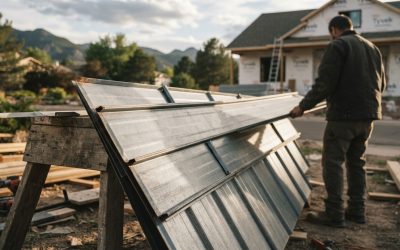
Metal roofing has moved beyond its traditional use on barns and commercial buildings into residential settings, where it now offers distinct architectural styles alongside its functional advantages. The material comes in several forms, including standing-seam panels, steel, aluminum, zinc, and copper, each with different costs and maintenance needs. Homeowners weighing a roof replacement often compare these options against the upfront cost and expected service life of conventional shingles.
How Long Does a Metal Roof Actually Last?
Lifespan is the most frequently cited reason homeowners choose metal over asphalt. A service-life study from the Metal Construction Association found that a Galvalume standing seam roof built today can exceed 60 years of service across a wide range of climates. In comparison, asphalt shingles typically need replacement every 15 to 30 years. That gap means a single metal roof installation can outlast two or three shingle replacements over a homeowner’s time in a house.
Material choice affects the exact number of years a roof performs well:
• Steel and aluminum panels generally offer strong durability with moderate upfront cost.
• Copper and zinc cost more but resist corrosion for exceptionally long periods.
• Coated or painted finishes add protection against UV exposure and moisture.
Energy Performance in Four-Season Climates
Appleton, WI, experiences hot, humid summers and cold winters with heavy snow loads, conditions that test roofing materials in both directions. A high-quality metal roof can last 40 to 60 years or more, compared with asphalt shingles, which may need replacement every 15 to 20 years. Reflective coatings on metal panels also reduce heat buildup, which can ease demand on air conditioning systems during warmer months.
For broader context on how roofing and building materials affect energy use in residential structures, the U.S. Department of Energy’s guidance on cool roofing outlines how reflective surfaces reduce heat absorption in buildings. This kind of reflectivity is one reason metal is often grouped with other “cool roof” materials in energy-efficiency discussions.
Metal Roofing Compared to Asphalt Shingles
| Factor | Metal Roofing | Asphalt Shingles |
| Typical lifespan | 40 to 70 years | 15 to 30 years |
| Maintenance needs | Low; resists rot and insect damage | Moderate; prone to curling and granule loss over time |
| Weather resistance | Strong against wind and hail; sheds snow readily | Lower resistance to high wind and hail impact |
| Upfront cost | Higher initial investment | Lower initial investment |
This comparison shows why some homeowners accept a higher upfront cost for fewer replacement cycles and lower long-term maintenance.
What the Installation Process Involves
A metal roofing project typically follows a defined sequence, regardless of the contractor performing the work:
1. Roof inspection to assess the existing structure, decking condition, and any needed repairs.
2. Material selection, including panel types, gauges, and finishes suited to the home’s style and local climate.
3. Removal of old roofing material or installation of underlayment directly over existing shingles, depending on code and structural factors.
4. Panel installation with proper fastening and flashing at seams, valleys, and penetrations.
5. Final inspection to confirm weather-tight seals around vents, chimneys, and edges.
Homeowners in Appleton, WI, should also confirm local permitting requirements before a roof replacement, since municipal codes can affect underlayment, ventilation, or snow-guard requirements for metal systems.
Frequently Asked Questions
Does a metal roof make a home louder during rain or hail? When installed with solid decking and underlayment, metal roofs perform similarly to other roofing materials in terms of interior noise, since the sheathing and insulation layers absorb most sound.
Can you install metal roofing over existing shingles? In many cases, yes, provided the existing roof deck is structurally sound and local building codes allow it, though a full tear-off is sometimes recommended for older or damaged roofs.
Is metal roofing a good match for solar panels? Metal panels provide a stable, long-lasting surface for mounting solar panels. Because both systems have long lifespans, you typically will not need to replace the roof during the life of the solar array.
How does snow load affect metal roofing in Wisconsin? Standing seam metal panels are designed to shed snow efficiently, which can reduce the accumulated weight on a roof structure compared to materials that hold snow longer.
Choosing a roofing material ultimately depends on budget, expected time in the home, and regional weather patterns. Homeowners researching options for an Appleton, WI, property may find it useful to request a roof inspection before deciding between metal and traditional shingle systems.
Based in Oostburg, WI, CustomCraft Roofing & Construction LLC serves residential roofing customers throughout the Appleton, WI, area, installing metal roofing systems and other residential roofing materials.