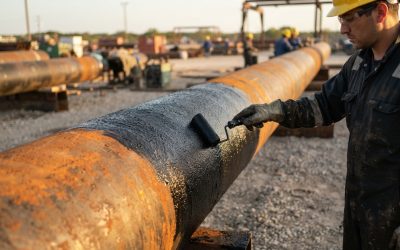
Industrial metal parts are constantly exposed to harsh environments, where moisture, chemicals, and extreme temperatures can quickly degrade their surfaces. Over time, this exposure leads to corrosion, which not only weakens the structural integrity of components but also increases maintenance costs and the risk of operational failures. For industries seeking long-lasting protection and durability, Zinc Nickel Electroplating has become a top search solution for those wanting optimal corrosion resistance for critical metal parts.
Understanding the Science Behind Zinc Nickel Electroplating
At its core, this process involves depositing a thin layer of a zinc-nickel alloy onto the surface of metal components using an electric current. The alloy typically contains about 10-15% nickel, with the remainder being zinc. This specific combination is key to achieving a synergy that goes beyond what traditional zinc coatings provide.
The presence of nickel significantly enhances the corrosion-resistant properties of the coating. Nickel acts as a barrier, slowing the penetration of corrosive elements, while zinc provides sacrificial protection by corroding preferentially to the underlying metal. Together, these metals create a robust shield that extends the life of industrial components, even in the most challenging conditions.
Key Benefits for Industrial Metal Parts
Zinc nickel electroplating offers several advantages that make it an ideal choice for industries such as automotive, aerospace, and heavy machinery manufacturing. Some of the most notable benefits include:
• Superior Corrosion Resistance : Compared to standard zinc coatings, zinc-nickel alloys can withstand significantly more hours in salt spray tests. This translates to longer-lasting protection against rust and oxidation.
• Enhanced Wear Resistance : The alloy layer is harder than pure zinc, reducing surface wear and extending the lifespan of moving or exposed parts.
• Uniform Coating Application : The electroplating process ensures even coverage, including complex geometries and hard-to-reach areas, minimizing weak spots where corrosion might start.
• Compatibility with Post-Treatments : Zinc-nickel surfaces readily accept chromate passivation and other sealants, further boosting corrosion resistance.
• Environmental Compliance : Many zinc-nickel processes are engineered to meet stringent environmental standards, offering a safer alternative to older, hazardous plating methods.
Applications Across Diverse Industries
The versatility of zinc nickel electroplating makes it suitable for a wide range of industrial applications. It is commonly used for fasteners, brackets, hydraulic fittings, and structural components that demand high performance in corrosive environments. In the automotive sector, for example, plated parts maintain their integrity even after prolonged exposure to road salt and humidity. Aerospace manufacturers rely on this technique to protect critical components from atmospheric degradation, ensuring long-term reliability and safety.
Optimizing Corrosion Protection Strategies
Selecting the right corrosion protection method is essential for maximizing the service life of industrial metal parts. When considering zinc nickel electroplating, it’s important to evaluate factors such as the specific environmental conditions the parts will face, desired coating thickness, and compatibility with other finishing processes. Regular inspection and maintenance, combined with high-quality plating, can further extend the useful life of metal components.
In summary, zinc nickel electroplating delivers exceptional corrosion resistance, wear protection, and durability for industrial metal parts exposed to demanding environments. By leveraging the unique properties of the zinc-nickel alloy, industries can reduce maintenance costs, minimize downtime, and ensure the long-term reliability of their equipment. This advanced electroplating technique stands out as a smart investment for any operation where metal parts must endure the test of time and the elements.