Briefly:
- Professional janitorial service covers recurring cleaning of offices, retail spaces, and commercial facilities, including floors, restrooms, trash removal, and surface disinfection.
- Providers typically follow OSHA hazard communication and PPE rules when handling cleaning chemicals on commercial property.
- Scheduling, scope, and frequency are usually set through a walkthrough and written service plan before work begins.
A professional janitorial service delivers scheduled cleaning and maintenance for offices, retail spaces, and other commercial buildings, covering tasks such as floor care, restroom sanitation, trash removal, and surface disinfection. Property owners and facility managers typically contract this work on a recurring basis rather than as a one-time job. Local Hometown Heroes, a property maintenance provider, lists commercial janitorial services among its offerings for buildings in the area.
Commercial cleaning contractors generally structure their work around a facility’s hours of operation, traffic patterns, and industry requirements. Offices, medical buildings, and retail stores each have different cleaning priorities, which shapes how a provider schedules visits and assigns tasks.
Core Tasks Included in Commercial Cleaning
A standard janitorial visit addresses the areas that see the most daily use and the surfaces most likely to collect dust, bacteria, or debris.
- Floor care: sweeping, mopping, and vacuuming across entryways, hallways, and workspaces
- Restroom sanitation: disinfecting fixtures, restocking supplies, and emptying waste bins
- Trash and recycling removal from offices, break rooms, and common areas
- Surface wiping and disinfection for desks, door handles, and shared equipment
- Dusting of furniture, blinds, and light fixtures
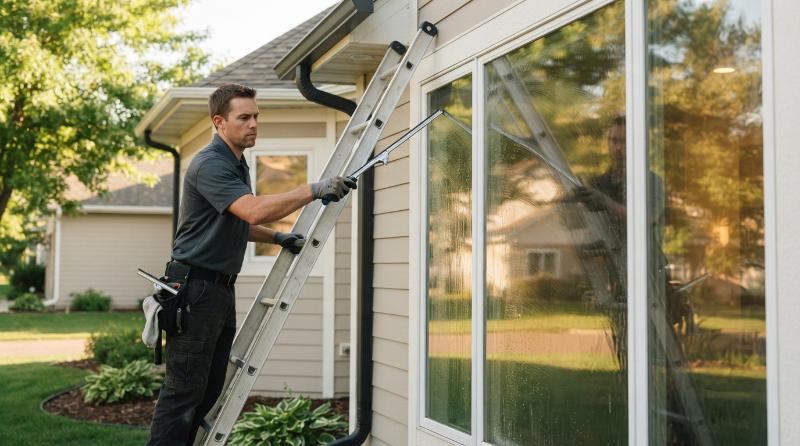
These tasks are usually bundled into a routine cleaning plan rather than billed individually, though some providers offer add-on services like window cleaning or deep carpet extraction.
Safety and Compliance Standards
Commercial cleaning crews work under federal workplace safety rules that govern chemical handling and protective equipment. Under OSHA’s Hazard Communication Standard, cleaning companies are required to maintain Safety Data Sheets, label chemical containers, and train staff on handling hazards associated with cleaning products. This standard applies to virtually all commercial janitorial operations, since cleaning workers handle restroom trash, clean restroom fixtures, and may encounter discarded needles, bandages, or other medical waste in their daily work.
Slip, trip, and fall hazards are also a documented concern in the industry. Slip, trip, and fall hazards are the most common cause of injury in the janitorial industry, with wet floors from cleaning activities posing a hazard to both building occupants and cleaning staff. Facility managers can review current workplace safety requirements directly through OSHA’s general industry standards to understand what a compliant cleaning provider should document.
What a Service Agreement Typically Covers
Before cleaning begins, most providers walk the property to assess square footage, traffic volume, and specific trouble spots such as kitchens or high-use restrooms. That walkthrough informs a written scope of work covering frequency, task list, and supply responsibilities.
| Plan Element | What It Usually Defines |
| Frequency | Daily, weekly, or custom visit schedule |
| Scope of work | Specific tasks included per visit |
| Supplies | Whether the provider brings cleaning products and equipment |
| Access | Keys, codes, or scheduling around business hours |
Based in White Bear Lake, MN, Local Hometown Heroes serves properties across St. Paul, MN, offering commercial janitorial services alongside other property maintenance offerings.
Frequently Asked Questions
How often should an office be professionally cleaned? Frequency depends on foot traffic and facility type; many offices schedule cleaning several times a week, while high-traffic retail or medical spaces may need daily visits.
What is the difference between janitorial service and a one-time deep clean? Janitorial service refers to recurring, scheduled maintenance cleaning, while a deep clean is typically a single intensive session addressing buildup that routine cleaning does not cover.
Do commercial cleaning crews bring their own supplies? This varies by contract; some providers supply all cleaning products and equipment, while others use supplies stocked by the property owner.
What should a facility manager check before hiring a provider? Confirming insurance coverage, staff training documentation, and a clear written scope of work helps avoid gaps in service or liability.
Business Info
Property maintenance listings for the service area, including commercial janitorial offerings, are available through the Local Hometown Heroes Google Business Profile.
Current service area details for Local Hometown Heroes are published for properties across the region.