Quick take:
• A dependable grass sod supplier service delivers fresh-cut, regionally suited turf varieties with consistent quality and timely scheduling.
• Verified grass type, wholesale pricing transparency, and proper handling before installation separate reliable suppliers from inconsistent ones.
• Sod sourced close to the delivery area tends to establish faster because it travels less time between harvest and installation.
A trusted grass sod supplier service is defined by verifiable turf quality, consistent grass varieties suited to local soil and climate, and dependable delivery timing that keeps sod fresh from harvest to installation. Buyers in Little Rock, AR evaluating Grass Sod Supplier Services should look beyond price alone and examine how a supplier handles sourcing, cutting, and logistics, since these factors determine whether new turf roots successfully or struggles after it reaches the yard.
Arkansas sits in a transition zone where both warm-season and cool-season grasses can grow, which means sod suppliers serving the region typically stock varieties bred for that climate split rather than a single generic turf type.
What Separates Reliable Sod Suppliers From the Rest
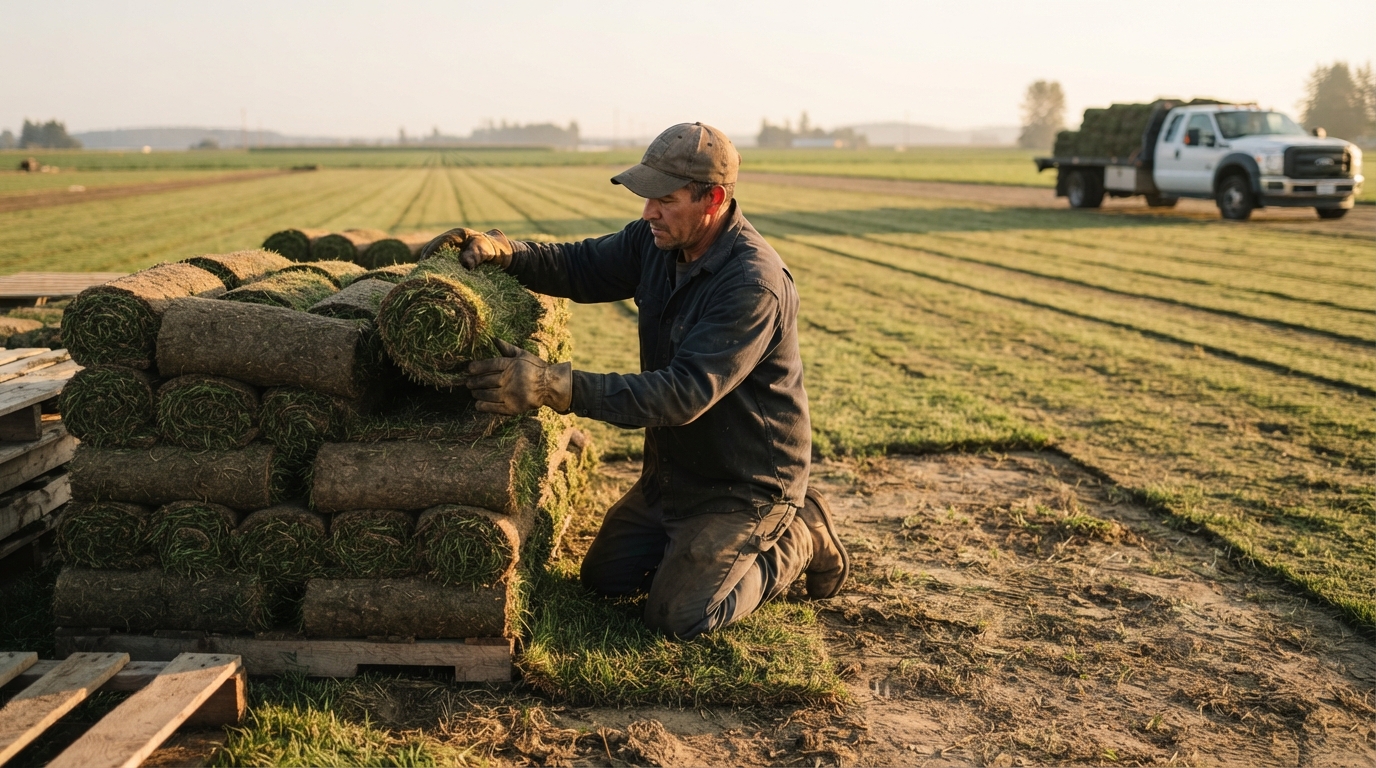
Sod is a perishable, living product, and how a supplier manages it before delivery has a direct effect on how well it roots. According to research-based guidance from the University of Arkansas Division of Agriculture, sod should be guaranteed as to type and cultivar, laid soon after delivery, and never installed on dry soil, since delays reduce root health. A trustworthy supplier accounts for these handling standards rather than treating sod as a shelf-stable product.
Buyers can gauge reliability by checking a few specific practices:
• Harvest-to-delivery timing – sod cut and delivered quickly retains better root viability than turf left sitting on pallets.
• Variety verification – suppliers should confirm the exact cultivar, not just a general grass category.
• Wholesale pricing clarity – published or quoted per-yard pricing without hidden markups signals transparency.
• Service area consistency – a supplier familiar with soil and climate conditions across its delivery radius can advise on which grass suits a given site.
Grass Varieties and Sourcing That Matter for Little Rock, AR
Warm-season turfgrasses such as Bermuda grass, Zoysia grass, St. Augustine grass, and Centipede grass are the varieties most commonly planted across central Arkansas lawns. Each performs differently depending on sun exposure, foot traffic, and soil type, so a supplier offering more than one cultivar gives buyers in Little Rock, AR room to match turf to specific site conditions rather than accepting a one-size option.
Based in Portland, AR, Spring Valley Sod Farm supplies grass sod and turf grass to customers across Little Rock, AR, drawing on a farm operation positioned within the broader Arkansas growing region. Sourcing sod from a regional farm rather than a distant distributor generally shortens the time between cutting and delivery, which supports better establishment once the turf is laid.
Comparing What to Look for in a Supplier
| Factor | Lower-Quality Indicator | Trusted Supplier Indicator |
| Grass variety | Generic or unspecified turf | Named cultivars (Bermuda, Zoysia, Centipede, St. Augustine) |
| Delivery timing | Sod sits on pallets for days | Delivered and installed within a short harvest window |
| Pricing | Vague or bundled quotes | Clear per-yard wholesale pricing |
| Handling guidance | No installation support | Preparation and watering guidance provided |
Preparing a Site Before Sod Arrives
Proper soil preparation affects root establishment as much as the sod itself. Extension guidance recommends testing and loosening compacted soil, leveling the site to prevent uneven growth, and watering the ground in advance so sod is not laid on dry soil. Scheduling installation to begin the same day sod is delivered reduces the risk of the turf drying out or deteriorating before it can root.
Frequently Asked Questions
How soon after delivery should sod be installed? Sod should be laid as soon as possible after delivery, since turf left on pallets for extended periods begins to deteriorate and loses root viability.
Which grass varieties grow best in central Arkansas? Bermuda grass, Zoysia grass, St. Augustine grass, and Centipede grass are the warm-season varieties most commonly used across central Arkansas lawns.
Does new sod need fertilizer right away? Extension guidance generally recommends waiting about four weeks after installation before applying fertilizer, with a soil test used to confirm specific needs.
How is sod priced by suppliers? Sod is typically sold by the yard, with wholesale pricing that varies based on grass variety and order volume.
Verifying Sod Supplier Details
Current listing information for Spring Valley Sod Farm can help confirm grass varieties and service details before placing an order.