In short:
• Performance-based group travel pairs rehearsal and stage time with structured workshops led by working artists.
• Educational Performance Tours is based in the USA and arranges music, dance, and theater tours for school and studio groups.
• Choosing a tour built around live performance gives students direct feedback from professionals rather than passive sightseeing.
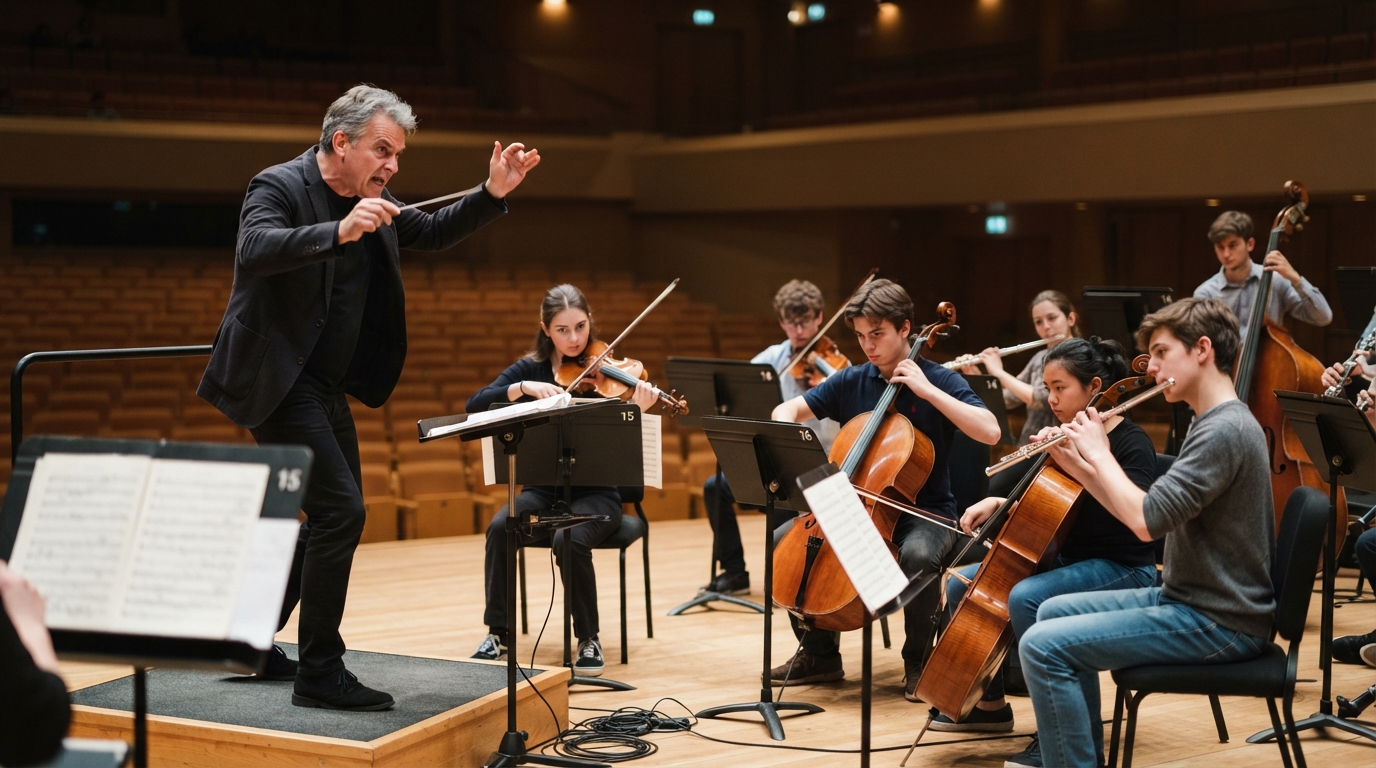
Travel organized around live performing arts gives student musicians, dancers, and actors a chance to apply classroom skills on real stages, under the guidance of working professionals, rather than simply observing a destination from the outside. This approach to group travel is often described using the term Educational Performance Tours, which refers to trips structured specifically around rehearsal, performance, and instructional components rather than general sightseeing.
Group leaders planning a trip for a band, choir, orchestra, dance company, or drama club face a basic decision: build an itinerary around sightseeing with a performance tacked on, or build it around performance with sightseeing woven in. The second approach tends to produce a more coherent educational experience because every stop supports a skill-building or performance goal.
What Sets Performance-Focused Travel Apart
A performance-centered itinerary differs from a standard school trip in a few concrete ways.
• Structured feedback loops. Students receive critique from working musicians, dancers, or actors instead of only their regular instructors.
• Venue access. Groups can secure dates at concert halls, festival stages, or studio spaces not typically open to the public for rehearsal or performance.
• Curriculum alignment. Activities map to specific technical or artistic goals rather than general cultural exposure.
• Clearer outcomes for grading, portfolio building, or audition preparation.
Group travel organized this way, according to Educational Performance Tours’ own program descriptions, typically involves master classes and workshops led by professionals from major performing arts institutions. Tours arranged through Educational Performance Tours involve customized proposals built around a program’s specific goals, curriculum, and budget, with performance opportunities, workshops, and master classes integrated into the itinerary.
Matching the Trip Type to Program Goals
Not every ensemble needs the same travel structure. The table below outlines how common trip formats differ.
|
Trip Type |
Primary Focus |
Best Fit For |
|
Competitive festival tour |
Adjudicated performance and scoring |
Programs preparing for ratings or competition |
|
Non-competitive showcase tour |
Public performance without scoring |
Programs prioritizing exposure over ranking |
|
Master class / workshop tour |
Direct instruction from professionals |
Programs focused on technical growth |
|
Combined performance tour |
Mix of performance, instruction, and sightseeing |
Programs balancing multiple goals |
Deciding among these formats usually comes down to whether the program’s priority is competitive placement, public performance experience, or skill development through direct coaching.
Planning Considerations for Group Leaders
Organizing travel around live performance adds logistical layers beyond a typical field trip. Group leaders generally need to account for:
1. Venue availability and performance scheduling, which often requires booking months in advance.
2. Transportation and lodging coordination for an entire ensemble, including instruments or costumes.
3. Payment and registration systems that let parents handle deposits and balances individually.
4. Risk management, including travel insurance options for student groups.
Programs operating in the USA should also confirm chaperone ratios and safety protocols align with school district requirements before finalizing an itinerary, since these standards vary by institution. The National Association for Music Education publishes guidance on travel and performance standards that many school programs reference when evaluating a group trip.
Frequently Asked Questions
What age groups typically take part in performance-based group tours? These tours are most commonly built for middle school, high school, and collegiate-level music, dance, and theater programs, though the exact structure depends on each group’s skill level and goals.
How far in advance should a program book a performance tour? Because festival dates and performance venues have limited availability, most programs begin planning six months to a year before travel, particularly for competitive festival slots.
Do performance tours include sightseeing, or only rehearsal and performance time? Most itineraries combine structured performance and workshop time with select sightseeing or cultural stops, allowing students to experience the destination without losing focus on the artistic goals of the trip.
Is this type of travel only for competitive ensembles? No. Many groups travel for non-competitive showcases, master classes, or workshop-only experiences, depending on what best serves the program’s current goals.
Give your students more than a sightseeing trip by creating a travel experience centered on live performance, professional instruction, and artistic growth. Educational Performance Tours organizes music, dance, and theater tours for school and studio groups, combining performance opportunities, workshops, and master classes with destination experiences. Whether your group is preparing for a festival, showcase, or skill-building tour, contact Educational Performance Tours to discuss your program goals and itinerary options. Visit Educational Performance Tours on Google Maps for business details and contact information.