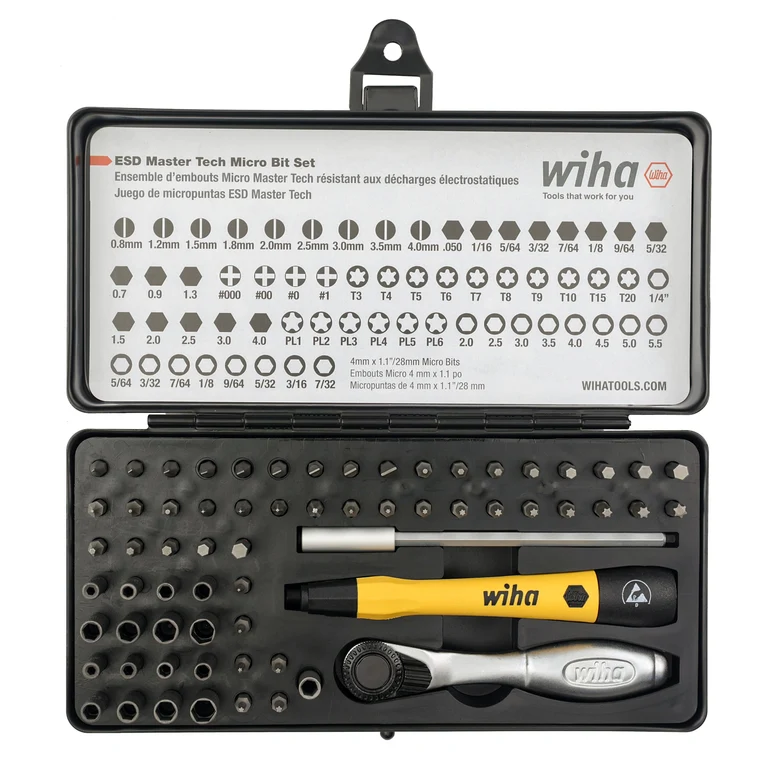
Small fasteners can hold together everything from a bicycle accessory to a piece of furniture, and the right tool helps you adjust them without damaging the screw head. If you’re comparing options online, searching for a Hex wrench set is a practical way to find tools for common household repairs and more demanding workshop tasks. The best choice depends on the fasteners you encounter, the access you need, and how often you’ll use the tools.
Start with the right measurement system
Hex fasteners are commonly sized in either inches or millimeters. The two systems can look deceptively similar, especially on small sizes, but a near match may slip inside the socket and round its edges. Check the fastener or consult the product manual before choosing a set. If you work on imported furniture, bicycles, or appliances, metric sizes may be essential; many American-made equipment and home projects use inch sizes. For a mixed collection of projects, consider owning both systems.
A useful set should include a range of sizes, from small wrenches for delicate hardware to larger ones for sturdy fittings. Check the size list before buying rather than assuming every set covers the same range.
Choose a shape that suits the job
The two most common styles are L-shaped wrenches and T-handle tools. L-shaped wrenches are compact, easy to store, and versatile: the short end provides leverage, while the long end reaches into recessed fasteners. T-handles offer a comfortable grip and can make repeated turning easier, so they’re useful at a bench or for routine assembly work. However, their shape can be harder to maneuver in tight spaces.
Some L-shaped tools have a ball end on the long arm. This lets you turn a fastener from an angle when a straight approach is blocked. It’s convenient for access, but the angled contact provides less grip than a straight end. Use a straight end to loosen stubborn fasteners or apply final tightening pressure, and reserve the ball end for easier turning in confined spots.
Look for durability and useful details
Material and finish influence how well a wrench holds up over time. Hardened steel resists wear under regular use, while a corrosion-resistant finish helps protect tools stored in a garage or workshop. Look for clearly marked sizes so you can identify the right tool quickly. A holder or organized case also keeps sizes together and makes missing pieces easy to spot.
For frequent work, a set with comfortable edges can reduce hand fatigue. If you often service machinery or assemble multiple items, sturdier construction and an easy-to-use holder may be worth prioritizing over the lowest price.
Use the right tool—and protect the fastener
Seat the wrench fully in the socket before turning. Clear away dirt or debris, and apply steady pressure instead of jerking the tool. If the wrench feels loose, stop and check the size; forcing a poor fit can damage both the tool and the fastener. Avoid using a wrench as a lever extension, since extra force can cause it to bend or slip.
A well-chosen set balances measurement coverage, access, comfort, and durability. Match its sizes to your projects, select a shape that fits your workspace, and use the straight end when a fastener needs firm control. With those basics in mind, you can handle everyday repairs and workshop jobs more confidently.