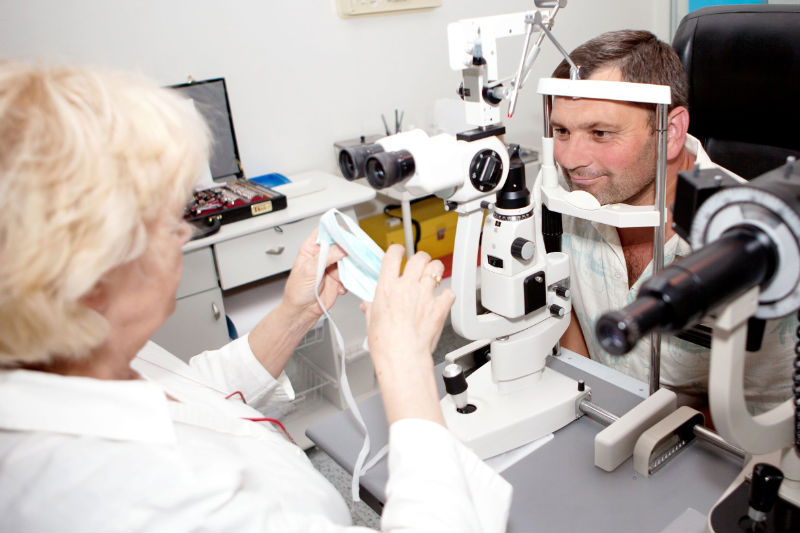
Vision health is essential to overall well-being, affecting everything from daily productivity to quality of life. For many people, finding a trustworthy local eye care provider can make a big difference in maintaining optimal vision and addressing specific concerns. When searching for comprehensive services for both adults and children, many people use Family Eye Care San Antonio TX to find a practice that delivers personalized solutions for a wide range of eye issues.
Understanding the Importance of Family Eye Care
Routine eye exams are vital for detecting and managing common eye problems before they escalate. Family eye care provides preventive, diagnostic, and treatment services for patients of all ages, making it convenient for entire households to maintain healthy vision under one roof. Personalized eye care involves more than just checking vision; it means tailoring services to an individual’s unique needs, considering medical history, lifestyle, and specific vision concerns.
Common Eye Issues Addressed by Family Eye Care
A qualified family eye care provider can diagnose and manage a variety of common eye problems, ensuring each patient receives the attention and solutions they need. Some of the most frequently addressed conditions include:
- Refractive Errors: Nearsightedness, farsightedness, and astigmatism are among the most common vision problems. Customized prescription lenses or contact lenses can correct these issues, improving clarity and reducing eye strain.
- Dry Eye Syndrome: Characterized by itching, burning, and redness, dry eye is common, especially in areas with fluctuating weather or high pollen counts. Family eye care providers can recommend specialized eye drops, lifestyle modifications, or advanced treatments to alleviate symptoms.
- Pediatric Eye Issues: Children may struggle with undiagnosed vision problems that affect their performance in school and daily activities. Early detection and intervention through regular eye exams can address issues such as amblyopia (lazy eye), strabismus (crossed eyes), and refractive errors.
- Age-Related Conditions: As patients age, the risk for conditions such as cataracts, glaucoma, and macular degeneration increases. Ongoing monitoring and tailored treatment plans help manage these issues, preserving vision and quality of life.
Benefits of Personalized Solutions
Personalized eye care goes beyond standard prescriptions and generic recommendations. By considering each patient’s medical background, lifestyle, and vision goals, family eye care providers offer targeted solutions that deliver better outcomes. Some key benefits of this approach include:
- Comprehensive Assessments: Thorough eye exams assess not only vision but also eye health, screening for diseases and underlying conditions that may affect long-term sight.
- Customized Treatment Plans: From selecting the ideal type of corrective lenses to recommending specific therapies for chronic conditions, personalized plans ensure individuals receive exactly what they need.
- Ongoing Patient Education: Understanding the importance of eye health empowers patients to make informed decisions. Providers explain test results, treatment options, and preventive measures in clear, accessible language.
- Convenient, Family-Friendly Care: Coordinating appointments for multiple family members streamlines care and fosters a proactive approach to vision health.
What to Expect During a Family Eye Care Visit
A typical visit to a family eye care provider involves several steps designed to evaluate and address each person’s unique needs:
- Medical and Vision History: The process begins with gathering information about overall health, family history of eye conditions, and any current symptoms.
- Comprehensive Eye Exam: This includes vision testing, eye pressure measurement, and a thorough inspection of the eye’s internal and external structures.
- Discussion of Results: After the exam, the provider explains findings and discusses potential issues, answering any questions the patient may have.
- Development of a Personalized Plan: Based on the assessment, the provider recommends corrective lenses, treatment options, or follow-up care tailored to the individual’s needs.
The Role of Technology in Modern Eye Care
Advancements in diagnostic equipment and treatment methods have significantly improved the accuracy and effectiveness of eye care. Family eye care providers utilize state-of-the-art technology to detect issues earlier and create more precise treatment plans. Digital retinal imaging, computerized vision testing, and advanced contact lens fittings are just a few examples of how technology enhances the patient experience and outcome.
When to Schedule an Eye Exam
Regular eye exams are recommended for all ages, with frequency depending on age, risk factors, and existing conditions. Children should have their first comprehensive eye exam before starting school, while adults should schedule exams every one to two years. Individuals with diabetes, a family history of eye disease, or existing vision problems may need more frequent monitoring.
By prioritizing routine visits and addressing symptoms promptly, families can safeguard their vision health and enjoy clearer sight for years to come.
For those seeking a trusted partner in vision care, Stone Oak Vision Source stands out as a reliable option, offering personalized, comprehensive eye care services for families in the San Antonio area.