At a glance
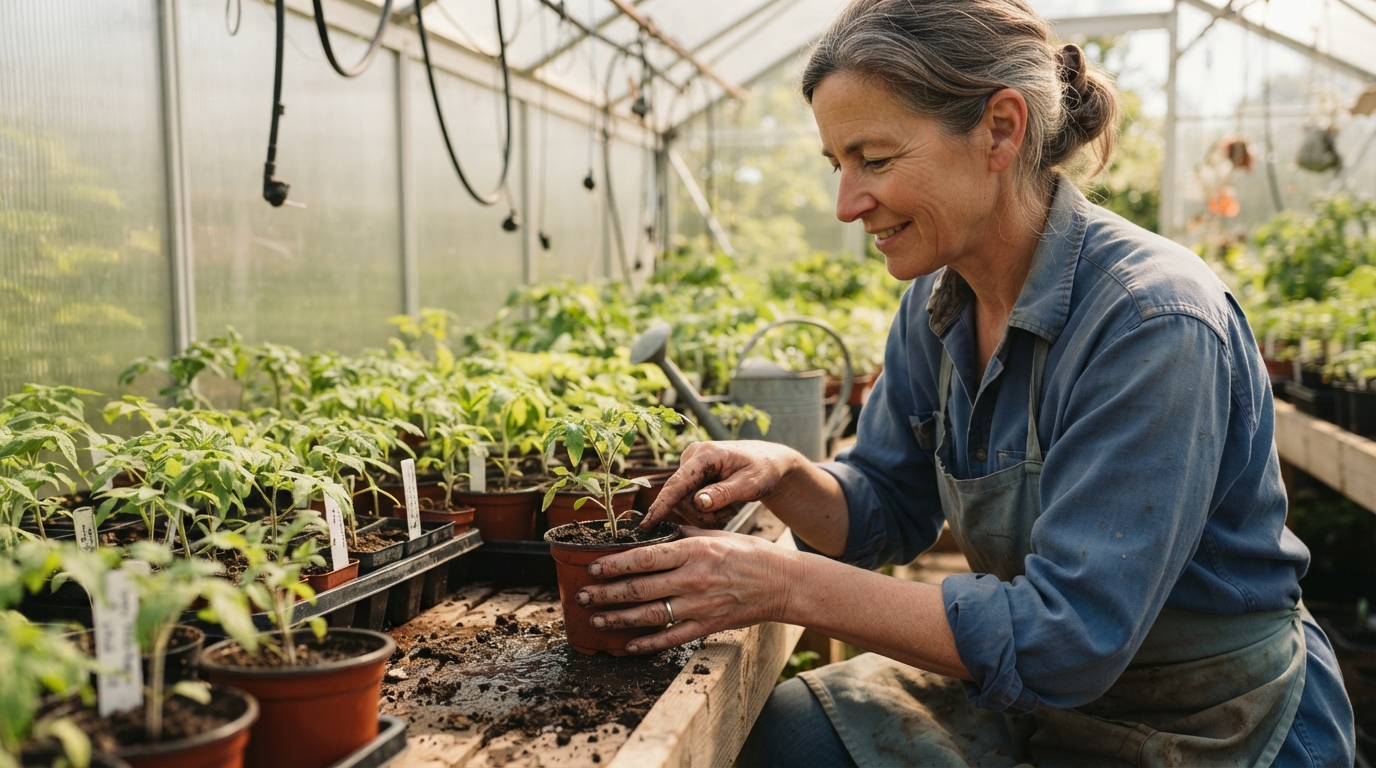
• A greenhouse can extend the growing season, but plant health still depends on suitable temperatures, light, airflow, and water.
• Match the structure and daily care to the plants you want to grow and the space available.
• In Pensacola, summer heat and humidity require as much planning as winter cold.
A greenhouse creates a sheltered growing space where gardeners can influence temperature, moisture, and light. It can protect plants from some weather and support seed starting or seasonal growing. It does not automatically provide the right conditions for every plant throughout the year.
For local plant inspiration, Bailey’s Produce & Nursery’s greenhouse page features its houseplant collection. If you are planning a growing space at home, first identify the plants you want to keep and the conditions they require. A retail greenhouse visit can help you compare plants, but it does not replace a plan for your own structure.
How Greenhouse Structures Affect Plant Growth
The type of greenhouse structure chosen directly influences airflow, light penetration, and temperature stability. Smaller hobby greenhouses may rely on passive ventilation, while larger structures often use fans or automated vents to prevent heat buildup.
• Glass greenhouses retain heat well but can be costly to install.
• Polycarbonate panels diffuse light more evenly and insulate better than single-layer plastic.
• Hoop-style greenhouses with plastic sheeting are common for seasonal or temporary use.
The covering is only one part of the decision. Think about how you will ventilate the space, secure it for local weather, and provide heat if the plants need winter protection. Pensacola’s humid conditions make airflow especially important.
Managing Temperature Humidity and Light
A greenhouse can overheat even when outdoor temperatures feel mild. Check conditions where the plants sit and adjust ventilation and shade as the weather changes. Different crops and houseplants have different needs.
1. Monitor temperature at plant height, including daytime highs and overnight lows.
2. Use shade cloth when needed, choosing the amount of shade for the plants and season.
3. Plan vents and fans for the structure. Evaporative cooling is less effective in humid air, so do not assume it will solve summer overheating.
4. Monitor humidity and condensation. Improve airflow and adjust watering rather than using one humidity target for every plant.
The USDA Plant Hardiness Zone Map describes zones based on average annual extreme minimum winter temperatures. It does not give frost dates or planting schedules. Use local weather forecasts and crop specific planting guidance when deciding when plants can move outdoors.
Watering and Soil Considerations
Water needs depend on the plant, potting mix, container, and greenhouse conditions. Warm sunny days can dry pots quickly, while cool conditions may leave them wet longer. Check the root zone rather than watering by a fixed schedule.
• Check soil moisture at root depth before watering, not just the surface.
• Consider drip irrigation or other methods that water the root zone. Empty standing water from trays unless the plant and growing method specifically require it.
• Choose well-draining potting mixes suited to the specific plant variety being grown.
Soil-borne diseases can spread faster in greenhouses due to stable warmth and humidity, so sanitizing pots and tools between planting cycles helps limit contamination.
Comparing Common Greenhouse Types
|
Structure type |
Useful features |
Planning considerations |
|---|---|---|
|
Glass greenhouse |
Durable glazing and good light transmission |
Weight, breakage, ventilation, and heating costs |
|
Polycarbonate panels |
Light diffusion and insulation in multiwall panels |
Panel quality, anchoring, and replacement needs |
|
Plastic covered hoop house |
Seasonal shelter with a flexible layout |
Film replacement, venting, and weather protection |
Choose a structure you can maintain through the seasons. Compare ventilation, anchoring, covering replacement, and operating costs as well as the purchase price.
Frequently Asked Questions
What plants grow well in a greenhouse?
Seedlings, vegetables, flowers, and houseplants can all be suitable, but each needs the right light and temperature. Cool season greens and heat loving crops generally need different conditions.
Do greenhouses need heating in mild climates?
Even in milder regions, nighttime temperature drops can stress seedlings, so supplemental heating or insulation is often used during cooler months.
How often should greenhouse plants be watered?
Watering frequency depends on soil type, humidity, and plant species, but checking moisture at root level before watering helps avoid overwatering in enclosed spaces.
Can a greenhouse be used year round in Pensacola?
It can support different plants across the year, but summer overheating can limit what grows well. Match crops to the season and assess ventilation and cooling needs before committing to year round production.
Local Resource and Next Steps
Bailey’s Produce & Nursery in Pensacola has a greenhouse featuring houseplants. Contact the nursery about current plant selections and their care needs.
For location and contact information, Visit Bailey’s Produce & Nursery. Confirm current selections and visiting hours directly with the nursery.